
ISPM 15 & Why It Matters for Pallets in Global Shipping
As supply chains continue to expand across borders, so do the regulations designed to protect ecosystems, agriculture, and natural resources. One of the most important international standards impacting wood packaging materials—including pallets—is ISPM 15.
For companies involved in exporting goods, understanding ISPM 15 is essential. It is not simply a pallet requirement—it is a global phytosanitary safeguard that plays a critical role in preventing the spread of invasive pests and diseases.
What Is ISPM 15?
ISPM 15 stands for International Standards for Phytosanitary Measures No. 15. It was developed by the International Plant Protection Convention (IPPC) to regulate wood packaging material used in international trade.
The standard applies to items such as:
- Wood Pallets
- Crates
- Skids
- Dunnage
Its purpose is to reduce the risk of transporting wood-borne pests—like beetles and borers—that can cause severe environmental and economic damage if introduced into new regions.
Why ISPM 15 Was Implemented
Before ISPM 15, untreated wood packaging was a major pathway for invasive species to travel between continents. These pests often had no natural predators in their new environments, allowing populations to spread rapidly.
The impact has included:
Destruction of forests and native tree species
Agricultural crop damage
Billions of dollars in environmental and economic losses
ISPM 15 was established as a unified global response—creating consistent treatment and marking requirements to safeguard ecosystems worldwide.
ISPM 15 Treatment Requirements
To comply with ISPM 15, wood packaging material must undergo an approved treatment process to eliminate pests.
Heat Treatment (HT)
The most common method is heat treatment, where wood is heated to a core temperature of at least 56°C (132.8°F) for a minimum of 30 minutes.
This process effectively eradicates insects and larvae that may be present in raw lumber.
Methyl Bromide Fumigation (MB)
Fumigation with methyl bromide is another approved treatment, though its use has declined due to environmental and regulatory concerns.
Most modern pallet programs rely on heat treatment as the preferred and more sustainable option.
The ISPM 15 Mark: What It Means
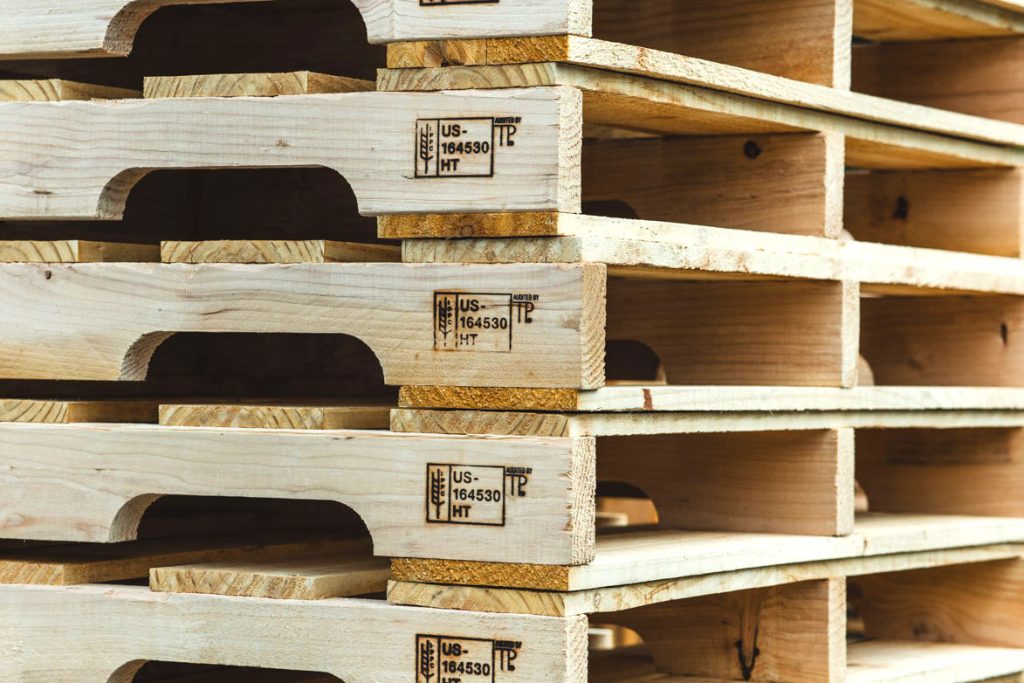
Once treated, pallets must display the official IPPC stamp, often referred to as the “wheat stamp.” This mark verifies compliance and allows pallets to move across international borders.
A typical stamp includes:
- The IPPC Symbol
- Country Origin Codes (e.g., US)
- Skids
- Treatment type (HT or MB)
- Debarking Designation (DB)
Without this mark, shipments may be delayed, rejected, or refused entry at ports of destination.
When ISPM 15 Is Required
ISPM 15 regulations apply to most international shipments using solid wood packaging materials. This includes exports from the United States to regions such as:
- Europe
- Asia
- Australia
- South America
- Mexico and Canada (with specific rules)
There are limited exemptions, including:
Engineered wood products (plywood, OSB, particle board)
Plastic pallets
Corrugated or metal packaging
However, the majority of traditional wood pallets used in global shipping must be compliant.
The Bottom Line
ISPM 15 is more than a stamp on a pallet—it is a critical safeguard in international trade. For exporters, understanding and adhering to the standard ensures smoother border crossings, protects global ecosystems, and keeps supply chains moving efficiently.
As global shipping continues to grow, ISPM 15 compliance remains a foundational requirement for responsible and reliable wood packaging use.
Choose Girard for Your New Wood Pallet Needs
When your business depends on reliable shipping and storage solutions, trust Girard Wood Products, Inc. to deliver pallets that are built right the first time. Whether you need standard 48×40 pallets or a fully customized solution, our team has the technology, experience, and commitment to sustainability to support your operation for the long term.