
Food Safety & the Importance of New Pallets in Food-Grade Shipments
In food-grade logistics, there is little margin for error. From the moment ingredients leave a supplier to the second finished goods arrive at a distribution center, every step in the supply chain must protect product integrity to the fullest. One often overlooked but critical component of food safety is the pallet.
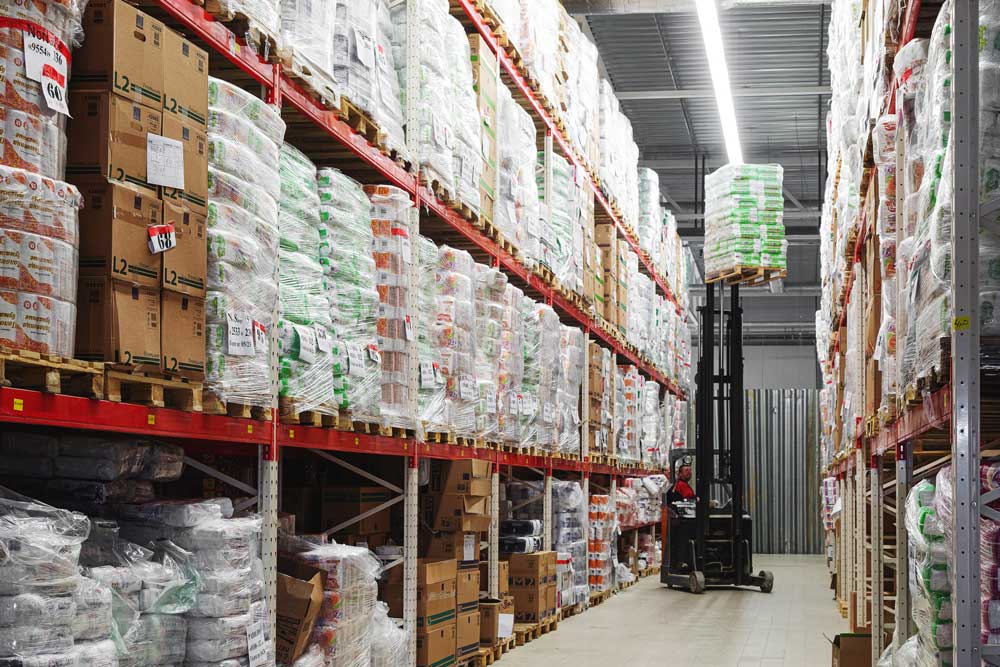
Why Pallets Matter in Food Safety
Pallets are in constant contact with food packaging and, in some cases, primary containers. They move through multiple environments—manufacturing floors, cold storage, trailers, ports, and warehouses. If a pallet is compromised, it can introduce risks such as:
- Bacteria or mold growth
- Cross-contamination from unknown prior use
- Wood debris, splinters, or broken boards
- Pest or moisture exposure
The Advantage of New Pallets for Food-Grade Shipments
- Clean, Untainted Surfaces
New pallets are built from unused lumber, meaning they have no prior exposure to chemicals, spills, allergens, or contaminants. This significantly reduces the risk of introducing foreign materials into food supply chains—especially important for facilities following GMP (Good Manufacturing Practices) or FSMA guidelines.
Used pallets, even when repaired, can carry unknown histories. For food manufacturers, “unknown” can open the door to an array of problems.
- Consistent Quality & Structural Integrity
Food shipments often move through automated or high-speed material handling systems.
New pallets provide:
- Reliable performance
- Uniform dimensions
- Predictable load capacity
- Reduced board damage or nail protrusions
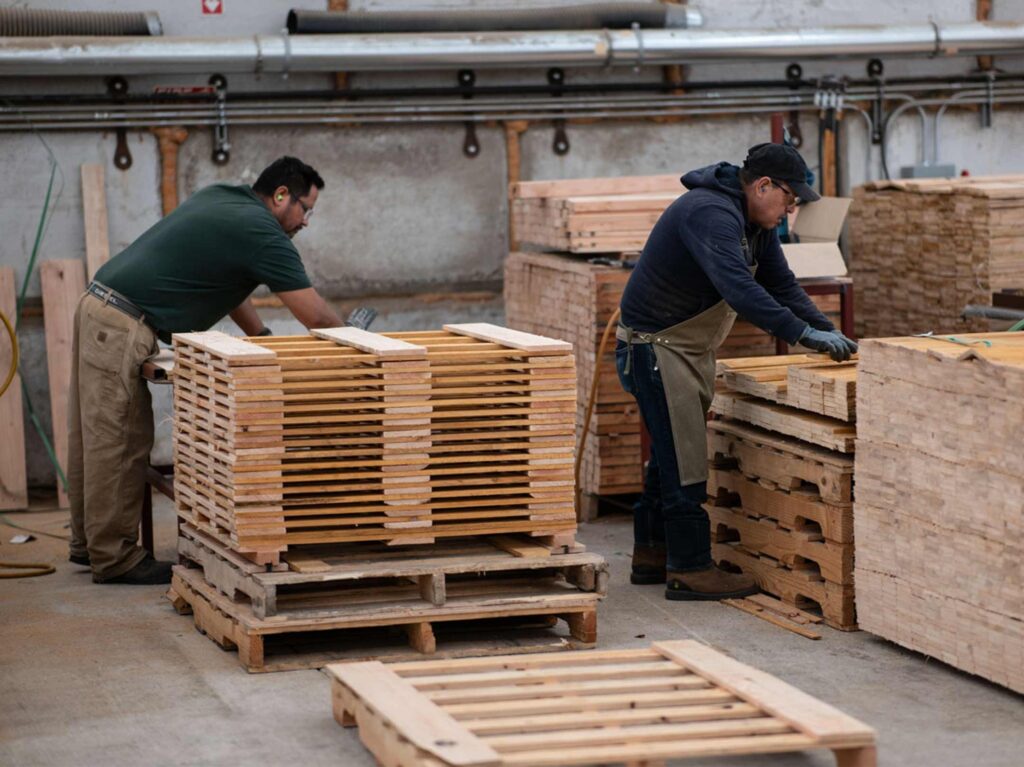
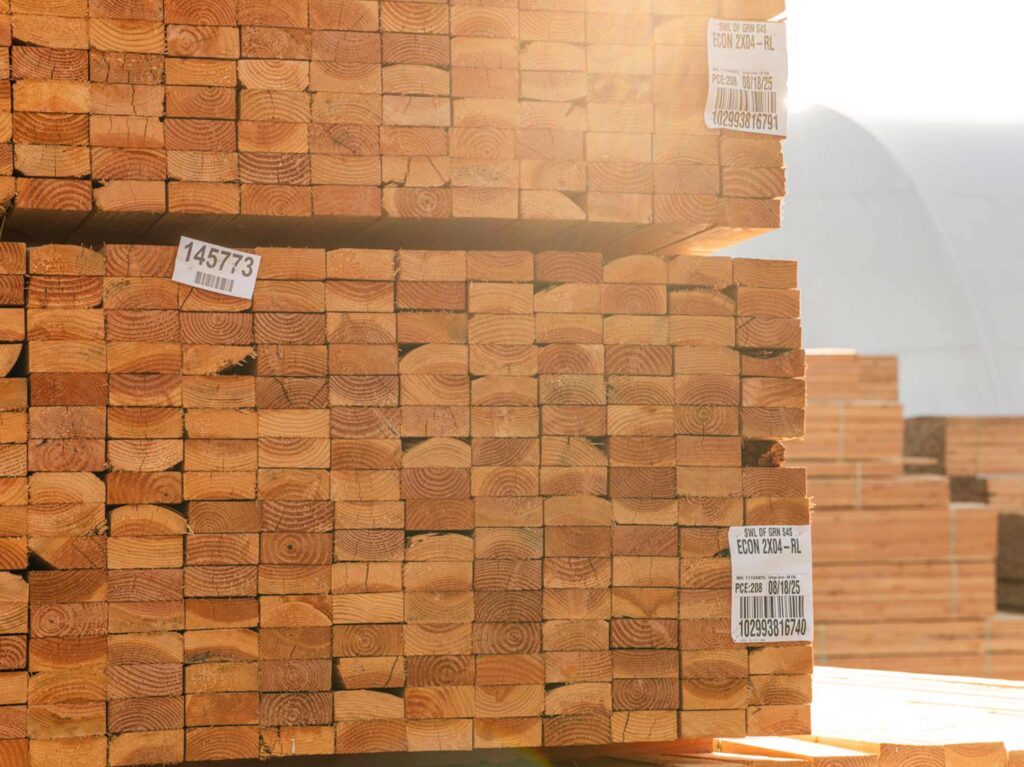
This consistency helps prevent product damage, packaging tears, and pallet failures that could lead to product exposure or contamination.
- Compliance with Food Safety Standards
Regulatory bodies and food safety auditors increasingly scrutinize material handling equipment. New pallets support compliance with:
- FSMA preventive controls
- GFSI-aligned standards (SQF, BRCGS, FSSC 22000)
- Customer and retailer-specific requirements
Many food producers and retailers explicitly require new pallets for inbound shipments to minimize risk and simplify audits.
- Reduced Risk of Pest & Moisture Issues
Moisture retention and pest harborage are major concerns in food logistics. New pallets:
- Have lower moisture variability
- Are less likely to contain hidden insect damage
- Reduce the chance of mold growth during transit or storage
*This is especially critical for refrigerated, frozen, or dry food applications where environmental control is essential.
- Brand Protection & Customer Confidence
Food safety incidents can damage more than products—they can damage reputations. A single contamination event can lead to recalls, lost contracts, and long-term brand impact.
By choosing new pallets, food manufacturers send a clear message: Food safety is a priority at every level of our operation
Investing in Safety From the Ground Up
In food logistics, the pallet is not just a platform—it’s a foundation. New pallets provide peace of mind, reduce risk, and support the rigorous standards required in today’s food supply chain.
When food safety is on the line, starting with a clean, consistent, and purpose-built pallet makes all the difference.
Why Food Manufacturers Choose Girard Wood Products
With over six decades of experience, Girard Wood Products understands the demands of food-grade logistics. Our new pallet solutions are built with food safety, performance, and consistency in mind. WE OFFER:
- Custom-designed new pallets tailored to food applications
- Precision manufacturing and quality control
- Reliable supply for high-volume food operations
- Pallets engineered for automation, storage, and transportation
Choose Girard for Your New Wood Pallet Needs
When your business depends on reliable shipping and storage solutions, trust Girard Wood Products, Inc. to deliver pallets that are built right the first time. Whether you need standard 48×40 pallets or a fully customized solution, our team has the technology, experience, and commitment to sustainability to support your operation for the long term.